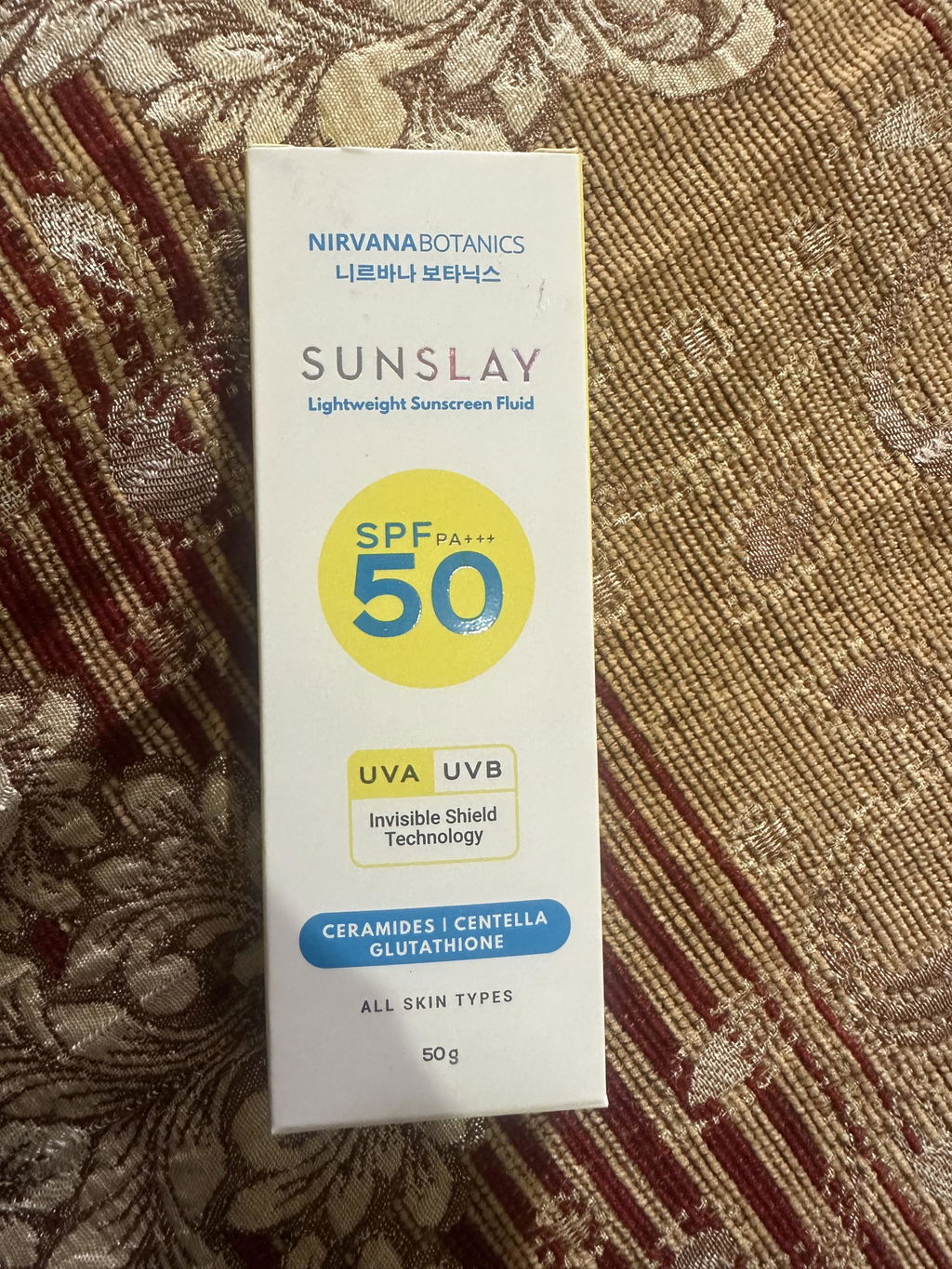
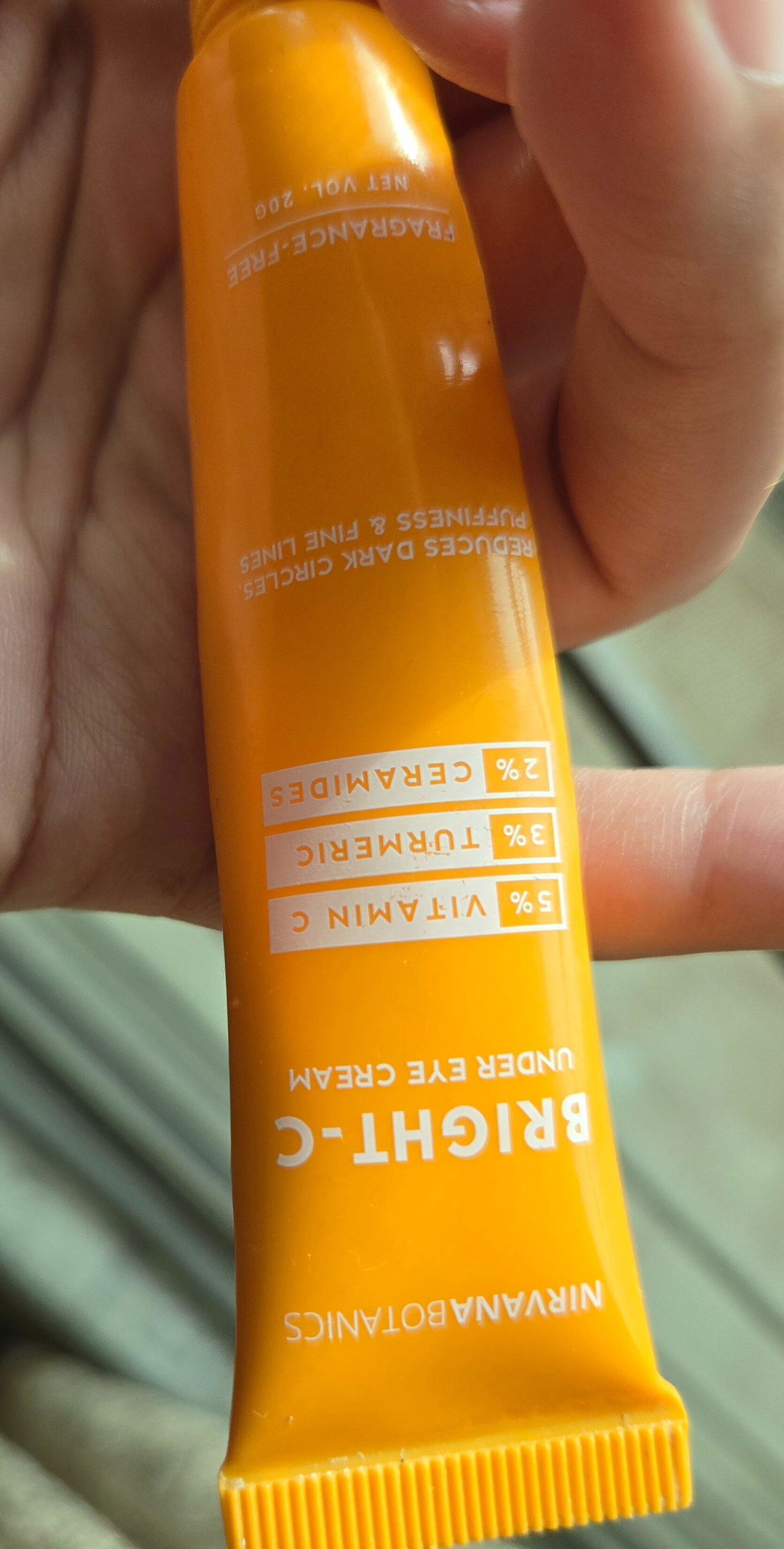
Korean Skincare in Pakistan: The Complete K-Beauty Guide
Korean skincare has quietly taken over bathroom shelves across Lahore, Karachi and Islamabad over the past few years, and it isn't just a trend driven by Instagram. The approach behind K-beauty treats skin like something you look after every day, not something you fix once a week with a sheet mask. If you've ever wondered why a friend's skin looks like it's lit from the inside, there's a good chance she's following some version of a Korean routine.
This guide breaks down what Korean skincare actually involves, what works for Pakistan's heat and humidity, and how to avoid wasting money on products that look good online but do nothing for your skin type. If you're ready to start, browse Nirvana Botanics' K-Beauty Glow collection for products picked with local skin and weather in mind.
What Korean Skincare Actually Means
Korean beauty culture treats skincare as daily maintenance rather than damage control. The focus is on hydration, gentle exfoliation and consistent sun protection rather than harsh actives used once in a while. That's why so many Korean formulas lean on ingredients like centella asiatica, snail mucin, rice extract, ginseng and fermented extracts, all chosen for calming and feeding the skin barrier rather than stripping it.
It's also why Korean brands experiment so much with texture. Essences, ampoules and sleeping masks exist because thinner, water based formulas absorb faster in humid weather, which happens to be exactly the kind of weather most of Pakistan deals with for a good part of the year.
The Korean Skincare Routine, Minus the Exaggeration
Most people picture a rigid ten step routine the moment K-beauty comes up, but that's not how Korean dermatologists actually recommend using it day to day. A simpler five to six step version covers almost everything most skin needs, with the longer routine kept for evenings or specific concerns.
A Realistic Morning Routine
Gentle cleanser, toner, a lightweight serum suited to your main concern, moisturizer, and sunscreen as the final non negotiable step. Skipping sunscreen undoes most of the benefit of everything applied before it.
A Realistic Evening Routine
Double cleanse if you've worn sunscreen or makeup (an oil based cleanser followed by a water based one), then toner, a treatment serum, eye cream if you use one, and a moisturizer or sleeping mask to finish. You can browse Face Serums here if you want to add a targeted step to your evening routine.
How to Actually Get Glass Skin
Glass skin gets talked about like it's a filter, but it's really just smooth, evenly hydrated skin that reflects light well. It comes from layering hydration so the skin barrier stays plump, exfoliating gently once or twice a week so texture doesn't scatter light unevenly, and protecting skin from sun damage that causes dullness and patchiness over time. Calming ingredients like niacinamide and centella also help by reducing redness, since an even tone reflects light more consistently than blotchy skin.
Choosing K-Beauty Products That Suit Pakistani Skin
In humid cities like Karachi, gel and water based textures usually work better than rich creams, which can feel heavy and contribute to breakouts. In drier winters in Lahore or Islamabad, a richer cream or a sleeping mask earns its place. The goal isn't to copy a routine made for Seoul's climate exactly, it's to borrow the philosophy and adjust the texture for your own weather. Start with one or two pieces from the K-Beauty Glow collection rather than overhauling your entire routine at once.
Buying Authentic Korean Skincare in Pakistan
Be cautious with deep discount sellers on social media who can't confirm where their stock comes from. Check batch codes, packaging details and expiry dates, and be skeptical of prices that sit far below retail with no explanation. Buying from a retailer that can speak to its own sourcing, such as Nirvana Botanics, is a safer bet than an anonymous reseller account.
Key K-Beauty Ingredients and What They Actually Do
Centella asiatica, often listed as cica, calms redness and supports a compromised skin barrier, which is why it shows up in so many post breakout or post sun exposure products. Snail mucin sounds unusual but works as a strong humectant and helps with mild scarring and texture over time, while rice extract and rice water ferments are used for brightening and a softer, smoother feel rather than aggressive exfoliation. Ginseng is included in a lot of anti aging lines for its role in supporting circulation and skin elasticity, and niacinamide, while not unique to Korean formulas, is used heavily across K-beauty for oil control, brightening and barrier support all at once.
Fermented ingredients deserve a separate mention, since they're a genuine point of difference in Korean formulation. Fermenting plant extracts breaks them down into smaller molecules that the skin can absorb more easily, which is part of why a lot of K-beauty essences feel lightweight yet still noticeably effective. None of these ingredients work as a one time miracle, they're meant to be used consistently as part of a routine rather than relied on individually.
K-Beauty for Specific Skin Concerns
Acne Prone Skin
Centella based products are a common starting point here, since calming inflammation matters as much as treating the breakout itself. Look for lighter essence or gel textures rather than rich creams, and avoid layering too many fermented or active ingredients at once if your skin is already inflamed.
Dry or Sensitive Skin
Sleeping masks and richer ampoules built around ceramides or snail mucin work well overnight, when skin has more time to absorb a heavier formula without it feeling greasy during the day.
Early Signs of Aging
Ginseng and peptide based serums, combined with consistent sunscreen, tend to be the realistic starting point rather than reaching for the strongest retinol formula available straight away.
Introducing a New K-Beauty Product Without Overwhelming Your Skin
It's tempting to add an entire new lineup at once after watching a routine video, but skin generally responds better when one new product is introduced at a time, used for a week or two before adding the next. This makes it far easier to tell which product is responsible if something irritates your skin, and it gives each new ingredient a fair chance to settle in rather than getting lost in a pile of other changes happening at the same time.
Patch testing matters here too, even for products marketed as gentle. A small amount applied to the inside of your wrist or behind your ear, left for a day, is a simple way to catch a reaction before it shows up across your whole face. This is especially worth doing with fermented ingredients or snail mucin, since reactions to these are uncommon but not impossible.
Storing K-Beauty Products in Pakistan's Climate
Heat and humidity can shorten the shelf life of active ingredients faster than the printed expiry date suggests, particularly for vitamin C and other antioxidant heavy formulas. Keeping serums and ampoules out of direct sunlight, away from a hot bathroom shelf, and in a cooler spot in the house during peak summer months helps preserve them for longer. A product that's changed color, separated, or developed an off smell is worth replacing even if it technically hasn't expired yet.
Common K-Beauty Myths Worth Letting Go Of
The idea that more steps automatically means better results is probably the biggest myth in K-beauty, and it leads a lot of people to spend money on products their skin doesn't actually need. Another common misunderstanding is that Korean products are inherently mild simply because of where they're made, when in reality formulation quality varies brand to brand just like anywhere else. There's also a tendency to assume glass skin is purely genetic, when it's really a combination of consistent hydration, gentle care and sun protection that anyone can work toward, regardless of their starting skin type.
It's also worth letting go of the idea that a routine has to be followed exactly as shown by a specific influencer or brand to work. Climate, water quality, and individual skin sensitivity all vary, so a routine built for someone in Seoul's drier, more temperate climate may need real adjustment for someone living through a Karachi summer. Taking the underlying principles, hydration, gentle exfoliation, sun protection, and building a version that fits your own skin and weather will get you further than copying a routine step for step.
If there's one thing worth taking away from K-beauty over any single product, it's the mindset of treating skin gently and consistently rather than reaching for something aggressive every time a concern shows up. That shift alone, more than any specific serum or essence, tends to be what people notice the most once they've been at it for a few months.
Final Thoughts
Korean skincare works best when you treat it as a set of habits rather than a shopping list. Start simple, stay consistent, and build from there with pieces from the K-Beauty Glow collection or the full Nirvana Botanics shop.
Frequently Asked Questions
Is Korean skincare suitable for Pakistan's hot and humid weather?
Yes. Lightweight, water based Korean formulas are often a better match for Karachi and Lahore's humidity than heavier Western creams, as long as you pick gel or essence textures during summer and save richer creams for winter or air conditioned environments.
Do I need all ten steps to see results from K-beauty?
No. A simplified five to six step routine done consistently (cleanse, tone, treat, moisturize, protect) delivers most of the benefit. The full ten step lineup is optional and usually reserved for specific concerns or occasional pampering.
What is glass skin, and is it achievable for oily or acne prone skin?
Glass skin refers to smooth, evenly hydrated skin that reflects light well. It's achievable for any skin type once breakouts are managed and hydration is balanced properly, not a result limited to a specific skin type or genetics.
Are Korean skincare products safe for sensitive skin?
Many Korean formulas are made to be gentle, but sensitive skin should still patch test new products and check for fragrance, essential oils or high alcohol content, since being Korean doesn't automatically mean a product is hypoallergenic.
How soon will I see results from a Korean skincare routine?
Surface changes like softness and glow often show up within two to three weeks of consistent use, while deeper changes such as reduced pigmentation or scarring usually take eight to twelve weeks.
Where can I buy authentic Korean skincare in Pakistan?
Stick to retailers who can confirm their sourcing and show batch codes, such as Nirvana Botanics, rather than unmarked resellers offering prices far below retail with no explanation.